Location, Location, Location
And the quiet belonging that follows understanding

Location, Location, Location may be a familiar refrain on British television, but the phrase has lingered for good reason. It sounds light-hearted, almost throwaway, almost a little property-search ditty (in the UK) yet it holds more truth than we sometimes admit.
The perfect house in the wrong place can leave you feeling slightly unsettled, as though life is fractionally out of tune.
Consider the saying, “It’s the people you are with, not the place”? I suspect the truth lies somewhere in between. The people around you enhance, deepen and soften your experience. They make memories. They make meaning. But you do need to feel right in the place itself. If the location jars, if it feels misaligned, that feeling rarely disappears.
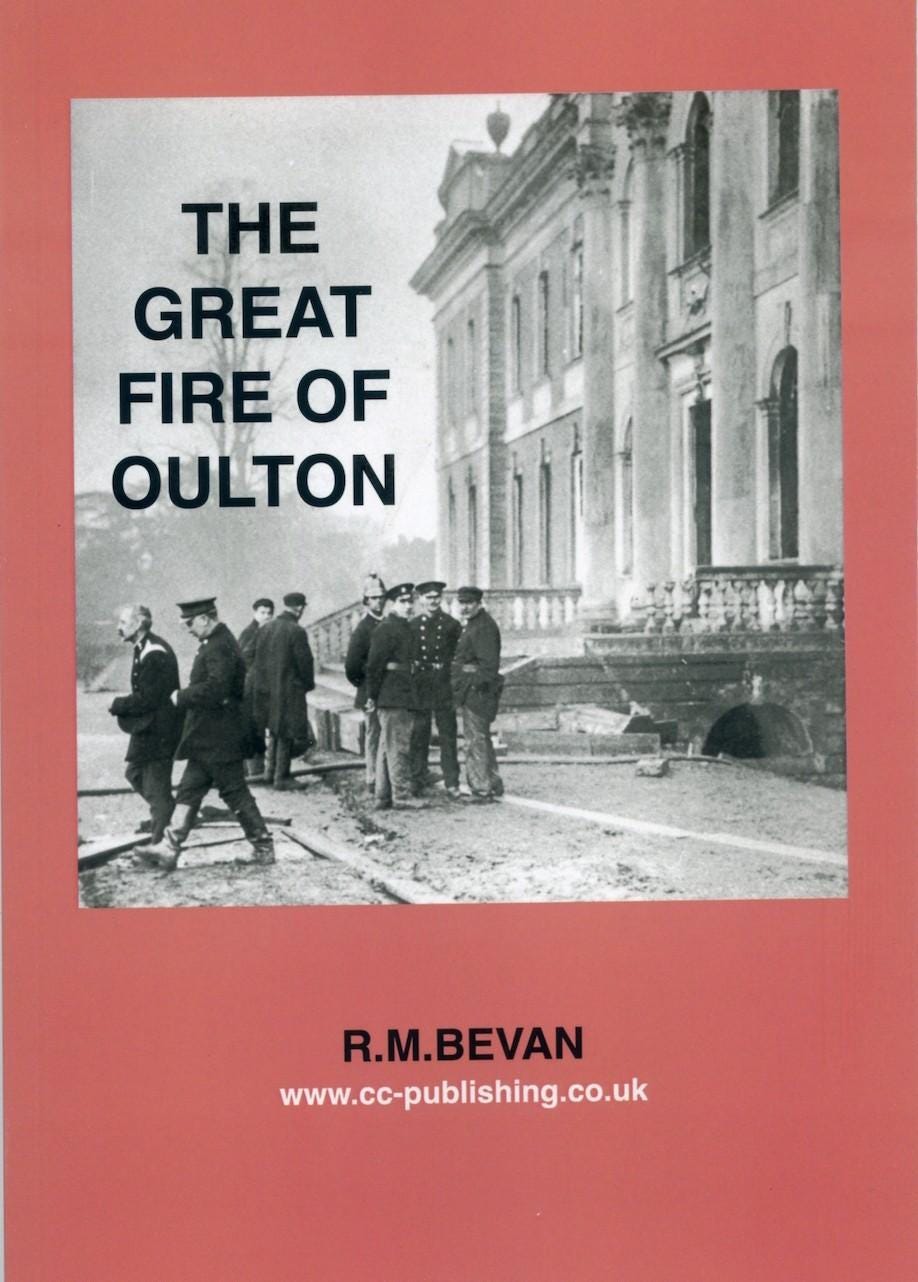
So, in our small quest to understand our physical surroundings and, in doing so, to inhabit them more fully we attended a local talk on The Fire at Oulton Hall.
Oulton Hall
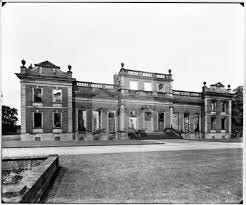
The obvious draw was in the name ‘ Oulton ‘ reminiscent of the area we now call home. However more than that, it was a desire to know more. We are five weeks in and life is gently establishing its new rhythms. We are learning how to live in this house, this garden and what needs to be done, what can be done, what should be done and in what order.
Progress is steady and it will continue though understanding the surrounding area felt important too.
It was poignant that the talk fell exactly 100 years after the fire itself, understandably a tragedy that had a profound impact on the local community. There were two pre-booked sessions to accommodate interest; the first, which we attended, was full. The number of people there was testament not only to curiosity, but to remembrance.
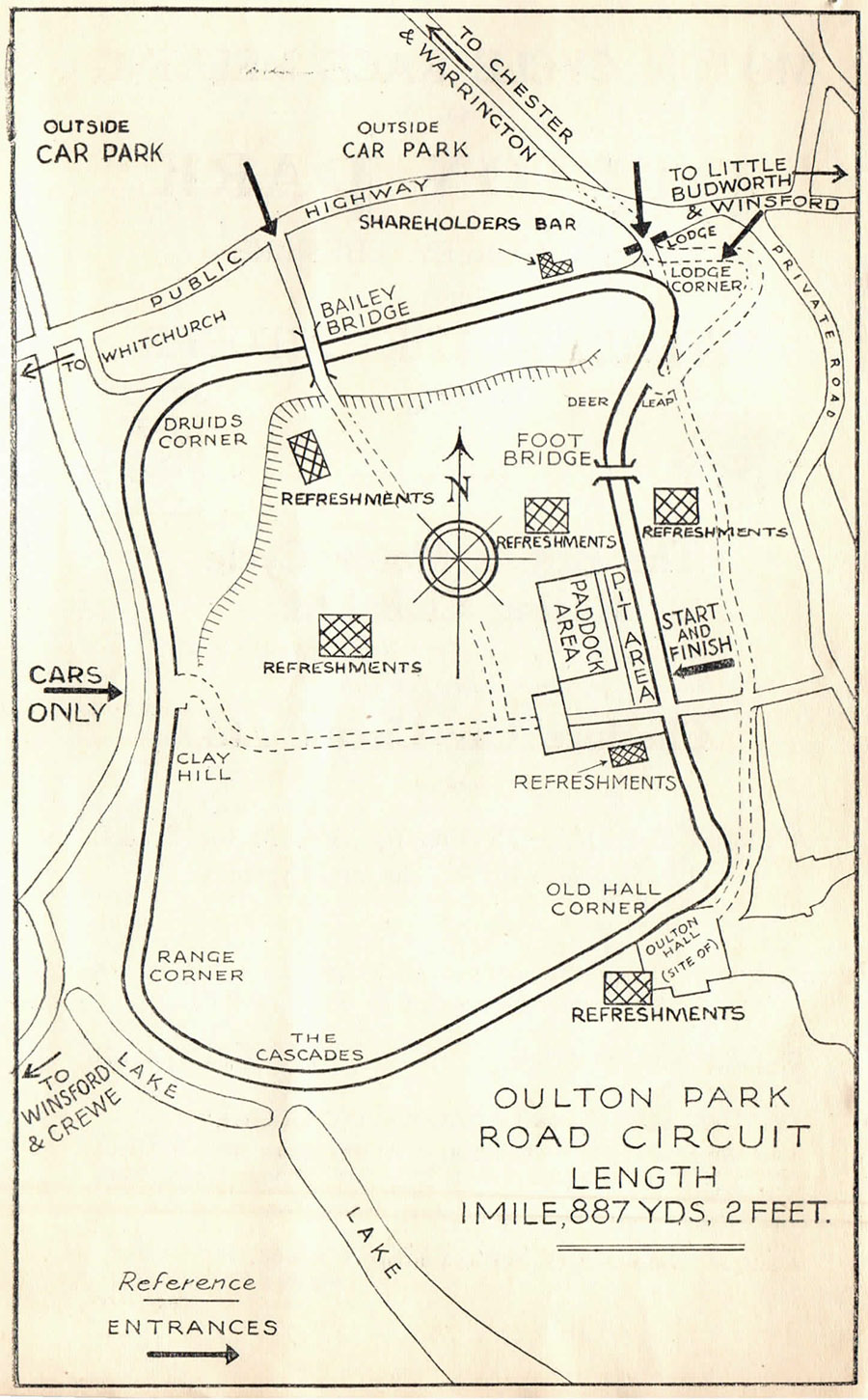
The speaker presented for almost two hours (with a short break) without notes. His knowledge was extraordinary, he followed the slides seamlessly, speaking with clarity and depth. Through old maps and photographs, we saw local social history unfold: numbers of residents, professions, housing, even learning that one local village was boasting four pubs (now only two). We learned about the fire engines of the time, the equipment used, and the distances travelled, for some ten minutes by car today, a far longer and more complex journey a century ago.
As the maps appeared on screen, I recognised familiar roads and fields. Landmarks surfaced from memory in new context. Places I now drive past held older stories.
We learned about the building of Oulton Hall to discover information about its construction, its owners, and those who worked there. Finally, quietly, we discovered that one of the firefighters who lost his life that night was the grandfather of the gentleman delivering the talk. Suddenly the history was not only archival, it was personal.
The fire made national news at the time and understandably so. What struck me most was not simply the scale of the event. It was the sense of community then and now.
A century ago, people gathered because they had to. In crisis, communities draw tight. Lives were lost, families affected, livelihoods changed. The village and surrounding areas would have felt it deeply.
One hundred years later, we gathered again this not in emergency, but in remembrance and to listen to learn and to honour. This becomes the reason why location truly matters. When you begin to understand the layers beneath the surface of the stories of those who lived worked and lost in this area/here, it is no longer just attractive countryside or convenient roads (not that there is many of those). It becomes textured, human, held for different reasons.
Then, quietly, another thought settled.
Our own home, sitting where it does, was here before the fire and here long after. Its walls stood as that night unfolded. Its windows faced the same sky that would have been lit by smoke. Its garden soil absorbed the same air.
You cannot help but wonder.
Who lived here then?
Did they know anyone involved?
Did they see the smoke rising in the distance?
Did they pause at the gate as fire engines passed — slower, heavier, pulled by men who knew the stakes were high?
Did they hear the church bells?
Did they attend the memorial services that followed, standing shoulder to shoulder with neighbours in shared shock and grief?
History suddenly stops being abstract and becomes intimate. I know I will at least try and find out about the inhabitants of our now home during Feb 1926.
There is something profoundly grounding about realising that the house you now inhabit witnessed events you are only just discovering. The floors beneath your feet carried people whose daily concerns were interrupted by that news. Their routines would have been suspended, their conversations clearly altered.
In imagining them, not as grand figures of history, but ordinary people living ordinary lives just like us, you feel threaded into something continuous. Not identical or even the same, but in some way connected.
Perhaps they too were five weeks into something new. Perhaps they too were learning how to tend the garden, how to make the house their own.
Location, then, becomes layered. It is not only geography but is memories (plural) held in place.
So in knowing that, in even asking the questions, you begin to feel less like a newcomer and even more like a custodian (not just of a listed building) as you are gently continuing the story in a house that has quietly watched generations come and go.
Driving past those same roads now, I suspect there will be a quiet respect and a new deeper noticing. A sense that we are not simply passing through, but joining something ongoing. You can’t unknow something.
Being part of a community is not only about meeting neighbours (though that matters enormously). It is about understanding the soil you stand on. Knowing something of what came before you. Feeling connected to both memory and momentum.
Perhaps that is why location truly is important and not because of prestige or postcode but because belonging grows from undertanding which naturally makes you feel settled in a way that bricks and mortar alone never can.
Ironic that this week discussions have been had between the difference between a house and a home. Reflections to be shared another time.
What we do know is that this is home.
This is Oulton Lowe Living.